Football, governed by the people who love it.
UNIFA — the United International Football Association — is being built from scratch as a fair, transparent and democratic alternative for world football: open books, elected leadership, players at the table, World Cups awarded in daylight — and tickets that ordinary supporters can actually afford.
unifa-football.org · draft charter in progress · founding congress 2027
Where this started
A World Cup is a competition, not a product.
At the 2026 World Cup, tickets were sold using dynamic pricing for the first time in the tournament's history — prices that climb as demand climbs. General sale ran from $140 for the cheapest group matches to $8,680 for the final, and supporter organisations took a formal complaint to the European Commission. Entry to the earliest ticket draw required a particular payment card.
The football was still football. But around it, a tournament had been turned into a market. That is where the idea for UNIFA came from.
Seats held back at a fixed price
Every match reserves a published share of tickets at a price a working supporter can pay — set in advance, printed in the rules, and never adjusted for demand.
A ballot anyone can enter
One entry per person, free to enter, no particular bank or card required. Odds and results published, so the draw can be checked rather than trusted.
Surplus returned to the game
A World Cup should earn well — a healthy organisation can fund the sport. That money belongs in pitches, coaching and youth football, audited and published to the last line.
Why UNIFA exists
Six principles. Written first, so they can't be negotiated away later.
Everything we build — statutes, tournaments, hosting decisions — will be tested against these principles. They go into the charter before the first sponsor is signed.

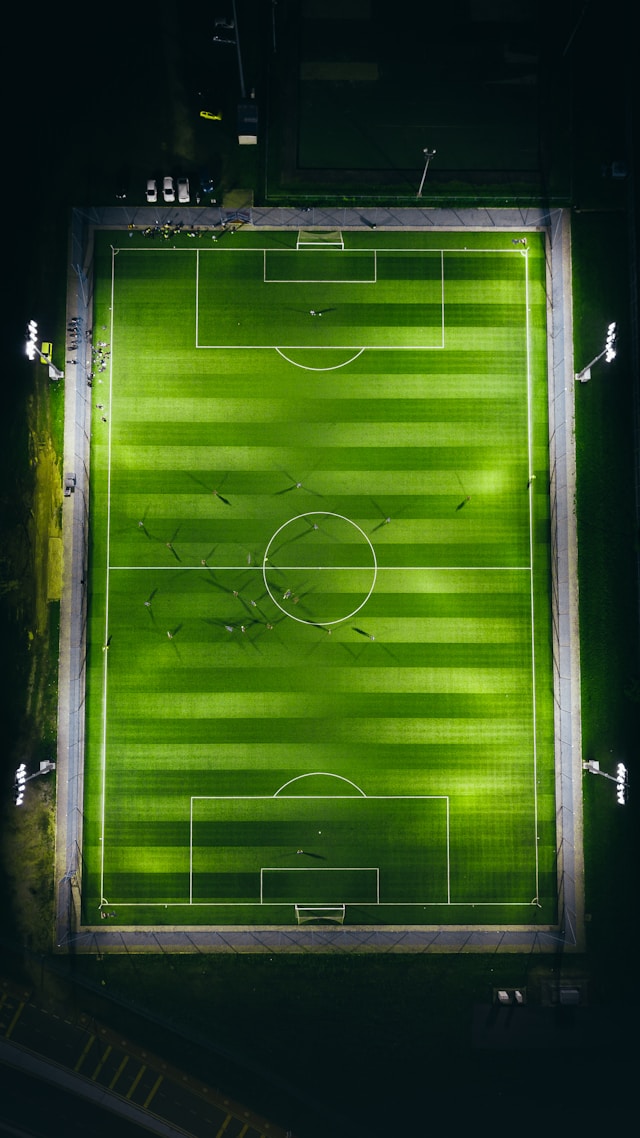
Fairness on and off the pitch
One rulebook for everyone: clubs, nations, officials and executives. Independent disciplinary bodies with published rulings.
Photo: Sandro Schuh / Unsplash
Zero tolerance for corruption
Open books, audited annually and published in full. Salaries, bids and contracts in the public record. Whistleblowers protected.
Photo: Izuddin Helmi Adnan / Unsplash

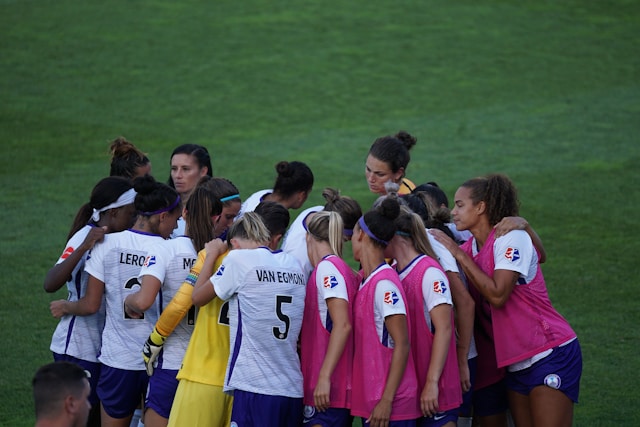
Love of the game
Decisions start with what makes football better to play and watch — not what maximises broadcast revenue.
Photo: Abigail Keenan / Unsplash
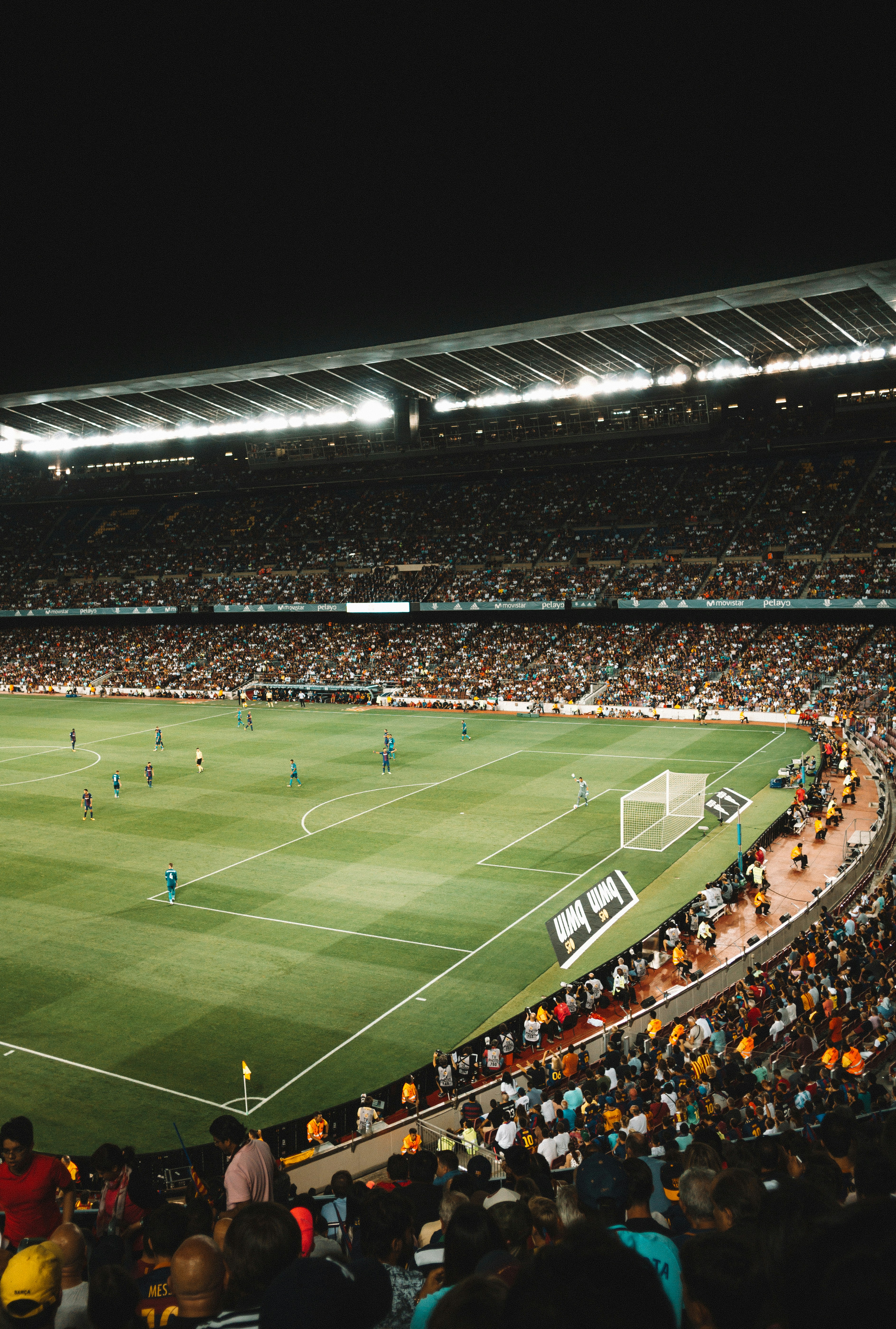
Players at the table
An elected player council with real voting power on rules, calendars and workload — current and former professionals, men and women.
Photo: Tobias Flyckt / Unsplash
Democracy by design
Term-limited, elected leadership. Member associations, players and supporter representatives all hold votes.
Photo: Krzysztof Dubiel / Unsplash
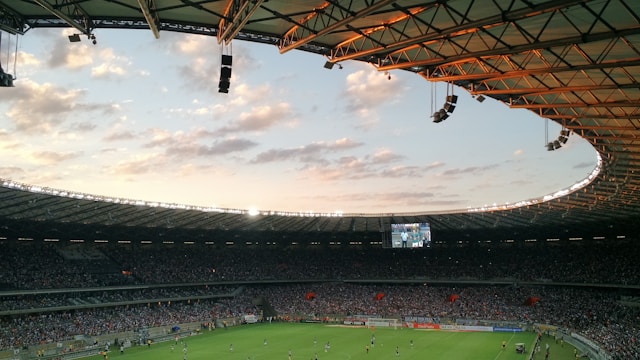
Hosting in daylight
Tournament hosts chosen by published criteria — human rights, sustainability, existing infrastructure — with every vote on the record.
Photo: Marcos Moraes / Unsplash
The founding team
Six roles. One ball.
Five arcs in our mark, and the ball at its centre. Most of the first year is unglamorous work — drafting, filing, bookkeeping, answering emails. If one of these is you, or someone you know, we want to hear from you.
Legal & governance
Sports lawyers, governance and anti-corruption specialists, trademark counsel. Draft the charter, register the organisation, keep it lawful across jurisdictions.
Put your name forward →Funding & finance
Philanthropists, impact investors and membership strategists — and the bookkeeper who keeps the accounts we have promised to publish in full.
Put your name forward →Football expertise
Coaches, referees, analysts and administrators. Shape sensible rule refinements and competition formats worth testing.
Put your name forward →Players
Current and former professionals of all levels. Lend your voice, join the first player council, tell us what must change.
Put your name forward →Communications
Press officers, social media, writers, designers and translators. A movement nobody hears about is not yet a movement.
Put your name forward →Operations & technology
Website and IT, membership systems, data protection, administration and event logistics. The quiet work that makes all of the above possible.
Put your name forward →A note on pay. Every role on this page is voluntary and unpaid until funding is in place. We would rather say that plainly now than let anyone find it out later.
Once funding is secured, UNIFA will be built as a paid organisation. Posts will be filled in two ways: some by offering employment to founding contributors whose expertise and work fit the role, and some by ordinary open advertisement. To be clear about what that means: contributing now is a possibility of employment later, not a promise of it, and it earns no entitlement to a post. Which posts go which way, and on what criteria, will be published before recruiting begins — like everything else here.
The match plan
From kick-off to first whistle.
Founding circle
Assemble the first legal, funding and football advisors. Register the name and domain.
Charter, in public
Publish the draft statutes for open consultation with players, fans and associations.
Founding congress
First elections: leadership, player council and audit board. The charter is adopted.
First tournament
A pilot competition run entirely under UNIFA principles — the proof that fair football works.
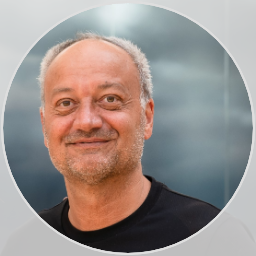
The initiator
Jean Rygaard
I watched the 2026 World Cup and came away with the feeling a lot of people had that summer: the business around the tournament had grown louder than the game inside it. So I started asking one question — what would football's governing body look like if it were designed today, in the open, by the people who love the game? Answering it takes more than one person, which is why the roles above are real, and open.
Get involved
Put your name on the team sheet.
Opens your email client — nothing is stored on this page.
What happens next
You'll hear back from a real person. Founders are invited to working groups matched to their role:
- Legal — charter, registration & trademark
- Finance — founding budget, membership model & audit
- Football — rules & competitions lab
- Players — the first player council
- Communications — press, social & translation
- Operations — IT, admin & events